Where the goal is stripping
The equipment is typically called a VOC stripper, gas stripper, or methane stripper.
Water is contacted with air for two general purposes: to strip volatile components from the water, and to expose contaminants to oxygen so they can be oxidized.
Strippers and aerators are usually similar in configuration, and aerators often serve a stripping function as well.
WETS aerators are widely used for hydrogen sulfide, methane, iron and manganese removal and THM removal. An aerator performs two basic functions: introducing oxygen into the water to oxidize undesirable compounds (typically iron and manganese), and stripping volatile compounds from the water (typically H2S and methane).
The equipment is typically called a VOC stripper, gas stripper, or methane stripper.
The equipment is called an aerator.
Over more than 50 years, WETS has installed or rehabbed hundreds of aeration water treatment systems, developing a wide variety of high-efficiency aeration and stripping processes and equipment along the way.
Our unique distributor, vessel internals, and in-house blower designs deliver very low pressure loss for optimal flow distribution.
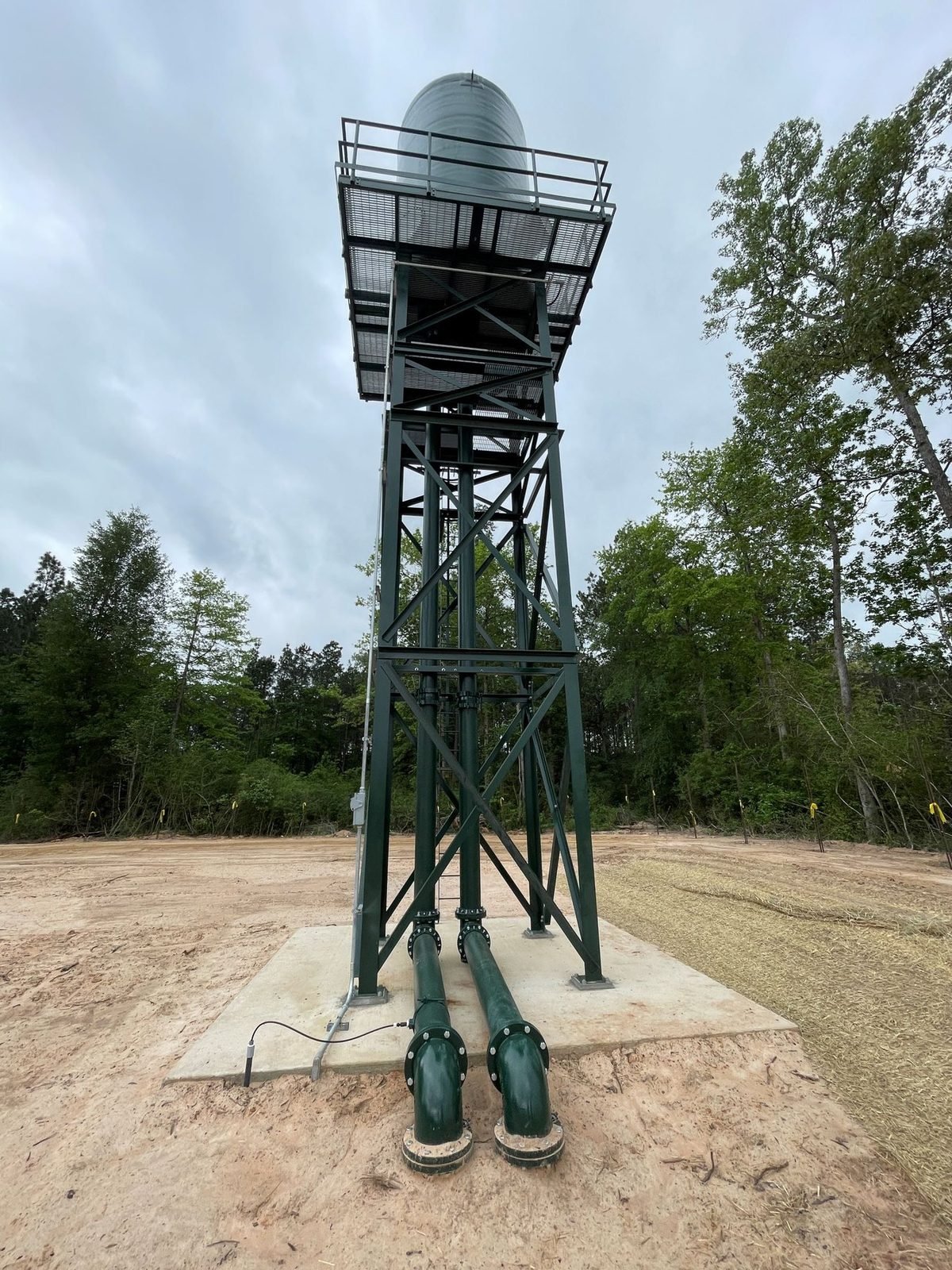
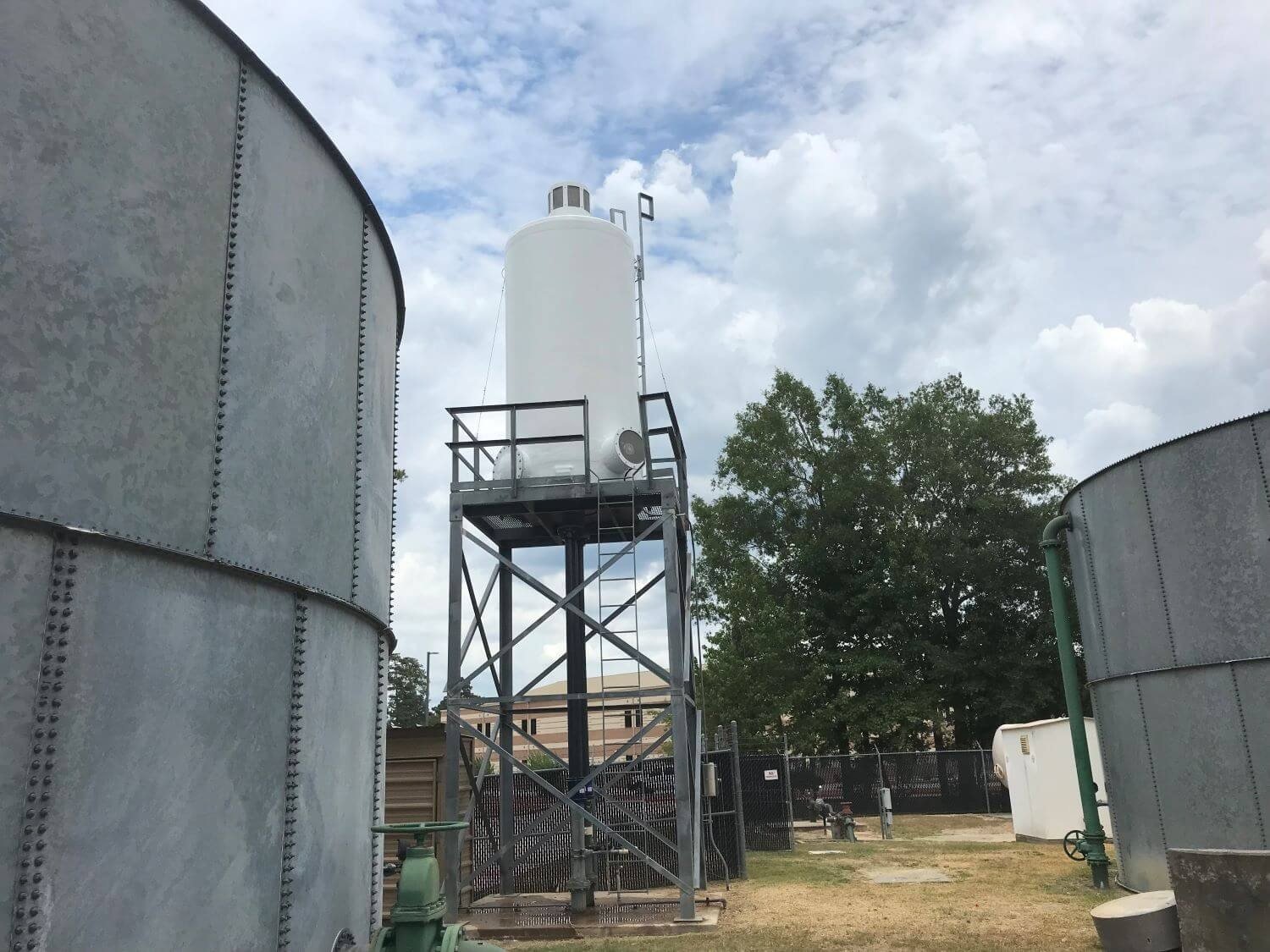
In the typical configuration, the aerator is elevated on a dedicated structure, with treated water gravity-draining into the ground storage tank (GST).
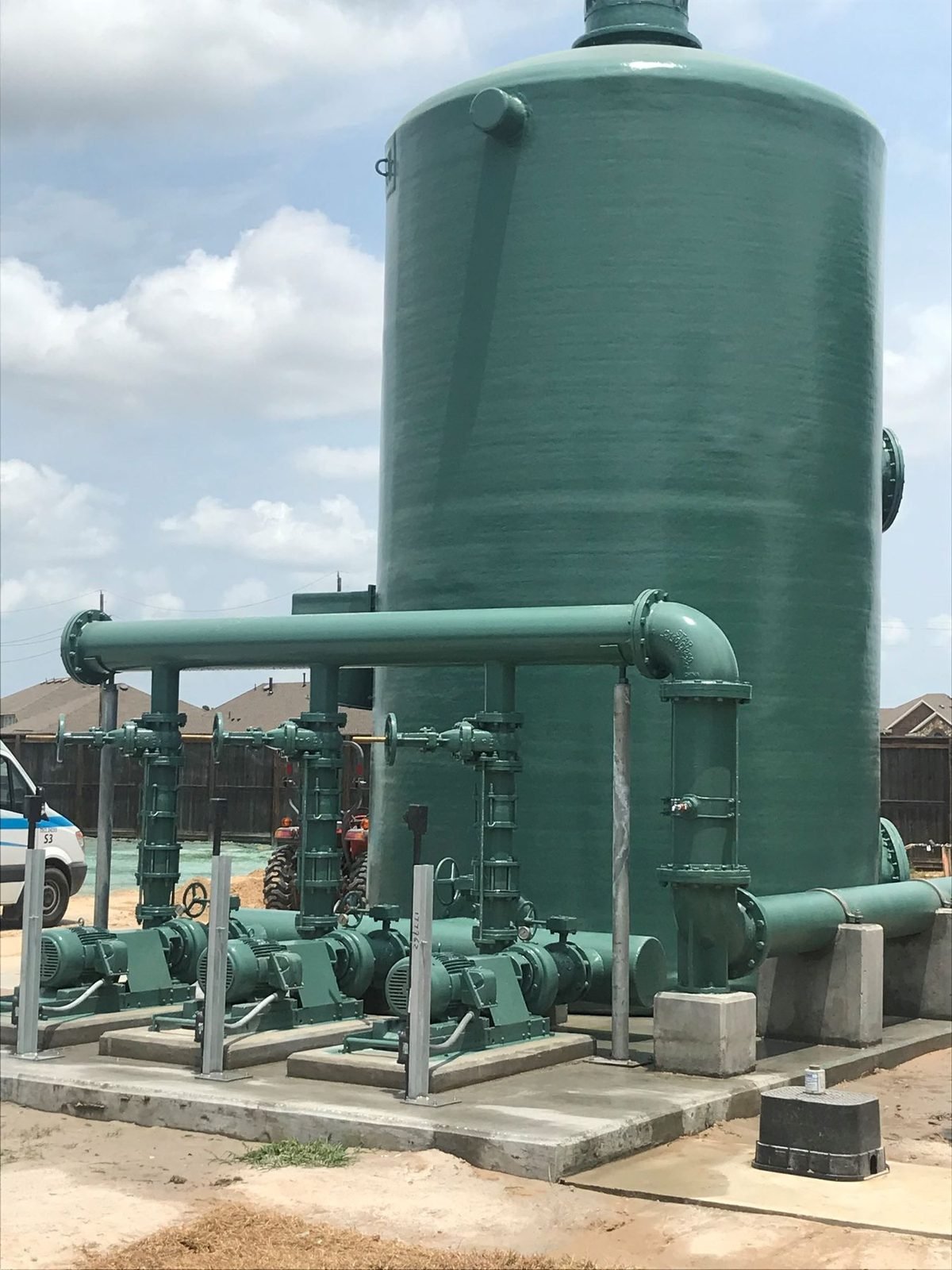
Ground aerators are tall vessels that sit at ground level, with a surge tank at the bottom and an aerator/stripper at the top. WETS highly recommends ground aerators for hydrogen sulfide applications, since oxidized hydrogen sulfide needs surge time to fully oxidize before reaching the ground storage tank. A pumping system and control panel are required to push the treated water to the ground storage tank. Ground aerators are often the preferred choice for facilities near residential communities, where the visual profile of an elevated aerator would be considered undesirable.
A downstream filtration unit is very common for iron and manganese applications. Once oxidized, iron and manganese can be easily removed using our dual media filter unit. Hydrogen sulfide may also require a filtration unit if the aerator is unable to remove it completely due to pH limitations.
Aerator designs can differ in how air and water are introduced, the vessel internals, and the choice between cylindrical and rectangular vessels.
WETS designs generally use a positive (forced) draft, with air introduced by a blower through either dumped packing or slat trays, and water introduced via a liquid distributor of proprietary WETS design. Given the relatively low gas rates and pressure drop in the system, no air sparger is typically required.
WETS aeration systems typically employ a proprietary forced draft design, introducing air at the base of the equipment.
While we have developed induced draft and natural draft designs, we favor forced draft: in an induced draft design, the blower is exposed to the aerator exhaust gas, which tends to be corrosive. Forced draft aerators also generally outperform natural draft designs across varying weather conditions, with negligible drift.
Over time, aerator packing and internals are prone to fouling from bacteria and metal precipitates, leading to performance and operational issues.
WETS recommends inspecting the aerator regularly, checking the blower fan, motor, blower screen, and vent screen. We also recommend a complete aerator rehab every five years, during which the aerator packing is checked for organic growth, distributor functionality, and any internal wear and tear. Wells often produce fine sand that can deposit on the packing media over time; applying a proper UV-protective paint can reduce organic growth on the packing and help avoid costly rehab work. WETS also recommends periodic chlorination ahead of the aerator, as pre-chlorination helps prevent algae growth.
Hydrogen sulfide produced by the well can damage aerator performance over time. To reduce bacterial growth in the aerator, WETS recommends using a well water bypass system during startup.
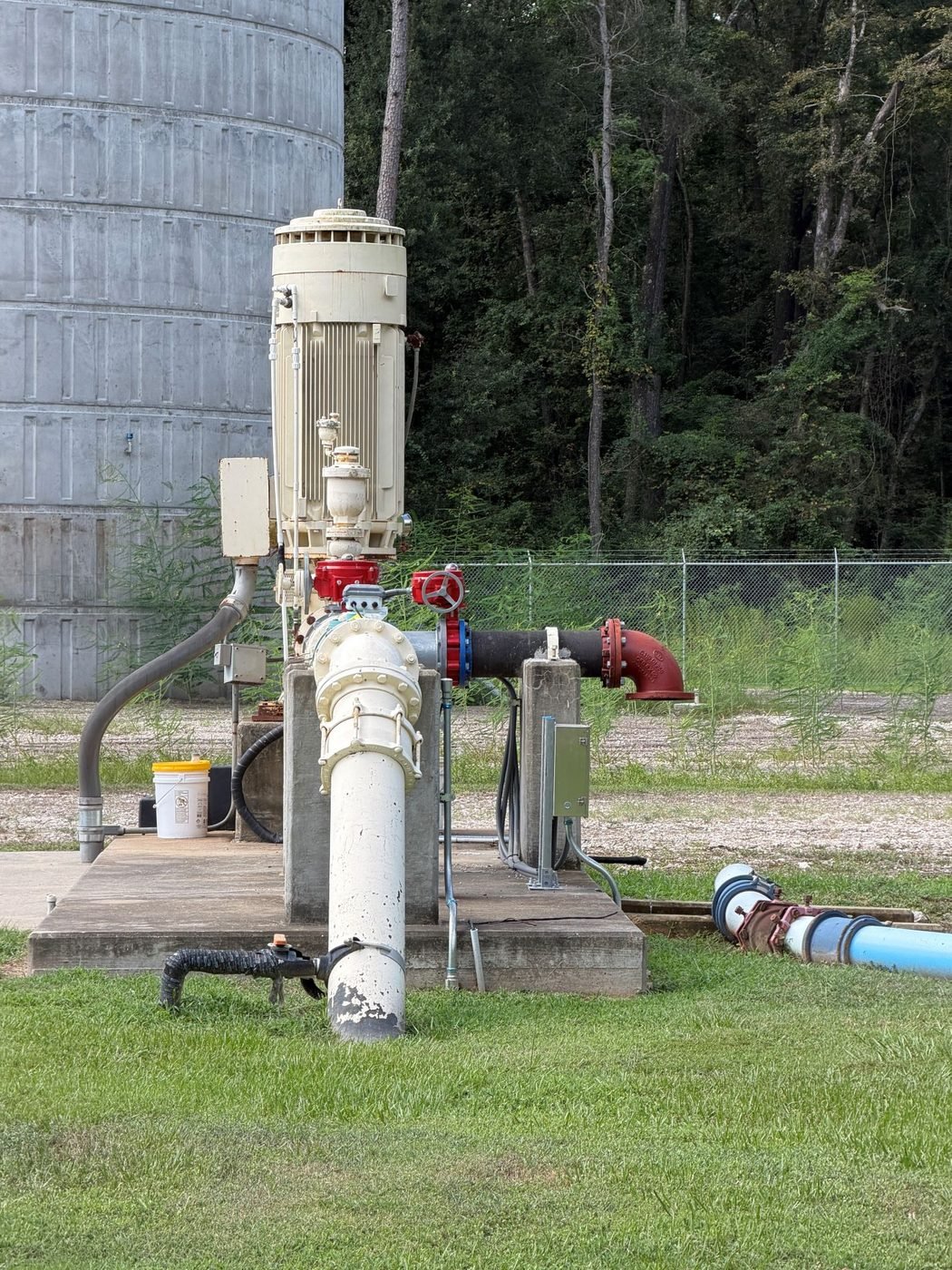
Methane strippers, VOC strippers, and degassifiers, similar in configuration to our aerators, target the removal of gases and volatile organic compounds.
WETS applications have included VOCs, THMs, methane, hydrogen sulfide, radon, and benzene/BTX. Our forced draft design and unique internal packing media are selected by our application engineers for maximum efficiency, with degassifier designs available for both low- and high-iron applications.
If your aerator is experiencing issues, contact a WETS professional engineer to arrange a site visit.
Contact Us