Benzene
The base compound of the BTEX family
Benzene is the base compound in the BTEX family (benzene, toluene, ethylbenzene, and xylenes), industrially produced in high volumes for decades across a wide range of uses, and a constituent of motor fuels. While benzene occurs naturally, natural contamination of drinking water is rare.
Groundwater offers no escape path
The greater risk comes from groundwater contamination via leaking underground storage tanks and other industrial sources. Benzene reaching surface water tends to volatilize into the air within hours; groundwater offers no such escape path.
Regulated as a primary contaminant
The EPA regulates benzene under the National Primary Drinking Water Standards’ Chemical Contaminants Rules, with an MCL of 0.005 mg/L.
Public Health Concern
Benzene is a known human carcinogen, with leukemia the principal cancer concern.
Low-level benzene exposure is fairly common through gasoline vapors, automotive exhaust, tobacco smoke, and industrial emissions, but exposure through contaminated drinking water carries greater health risk. Groundwater contamination is typically localized to specific facilities that produced, used, or stored benzene products, particularly underground fuel storage tanks and refining facilities.
Beyond leukemia, other concerns from benzene exposure include anemia, hemorrhaging, and bone marrow damage.
Aeration and activated carbon
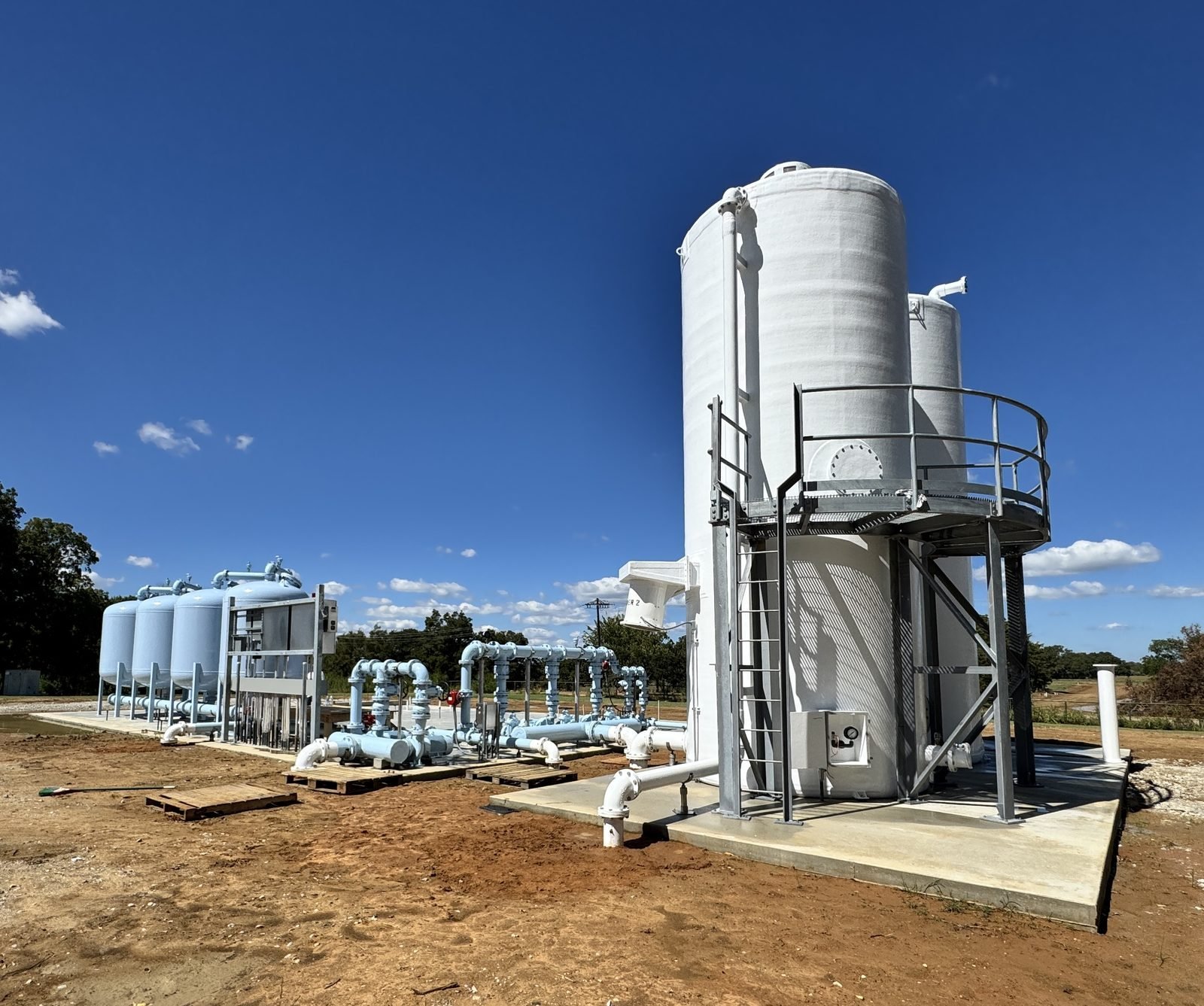
WETS has applied several treatment processes for benzene removal, including aeration and activated carbon. Because benzene contamination is usually found alongside other contaminants, a pilot study is generally recommended to identify the optimal treatment process for a given situation.
Our ability to conduct a pilot study quickly and cost-effectively remains a clear differentiator for our company. We mobilize our pilot study team to your site to test a slipstream of your water, and because we don’t offer an off-the-shelf product, every solution is unique to the plant.
Solutions to Your Water Treatment Needs
Whether you need a new water treatment system installed, your current system inspected and repaired, or simply want a free quote, WETS LLC is here to help. With years of industry experience, our skilled team is trained and knowledgeable across a wide range of leading water treatment equipment and products. Our certified water purification experts are ready to find the right solution for you.
Contact Us