PFAS
A class of chemicals in use since the 1940s
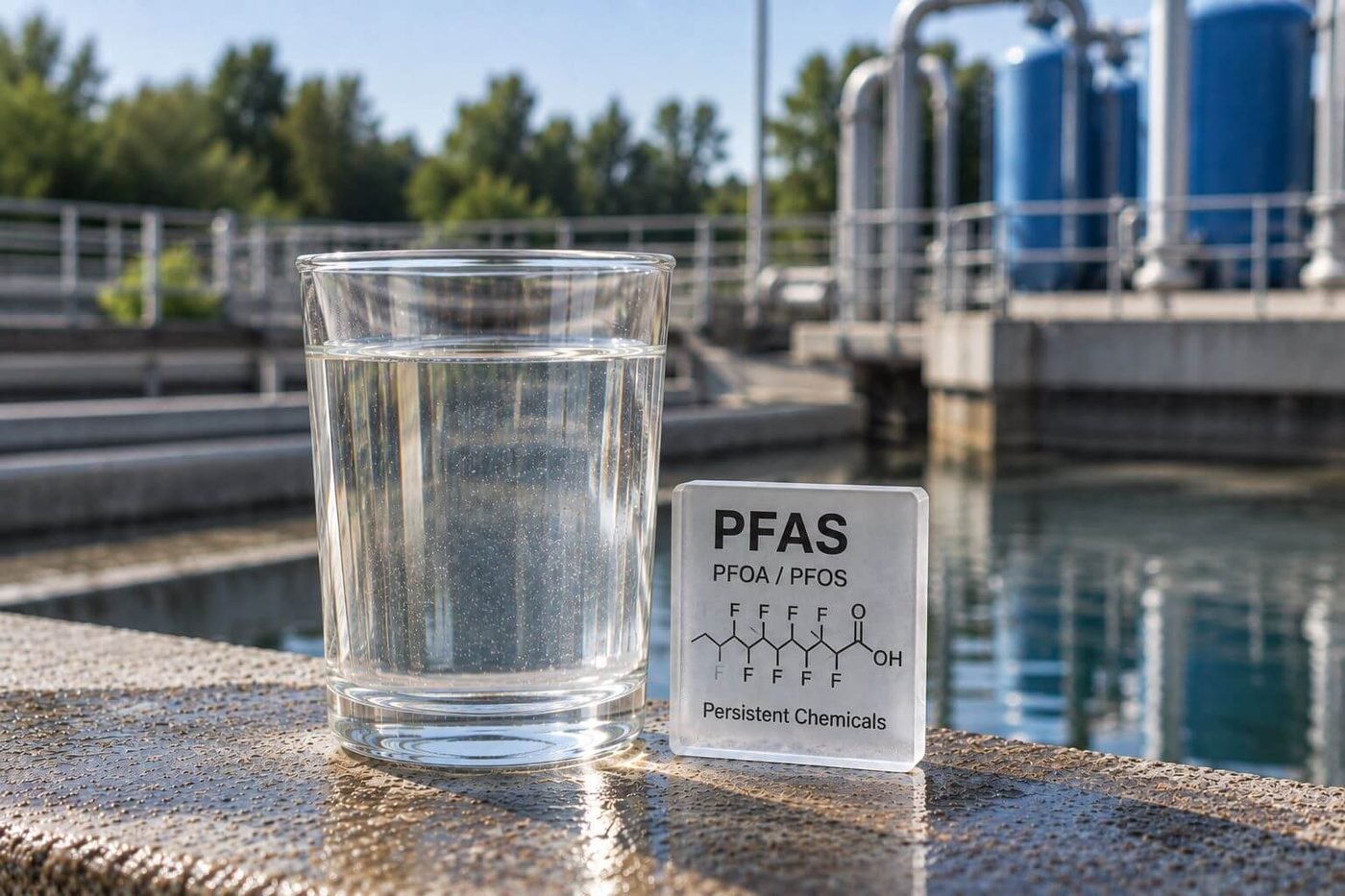
PFAS refers to a class of poly- and perfluoroalkyl substances, most notably perfluorooctanoic acid (PFOA) and perfluorooctanesulfonate (PFOS). Manufactured and used across industries since the 1940s, PFAS have been valued for stain-, water-, and non-stick-resistant properties and appear in a wide range of consumer products and firefighting foam.
Phased out here, still arriving
This class of chemicals is highly persistent in both the environment and the human body, drawing significant attention in recent years for its potential health effects. PFOS and PFOA have been phased out of U.S. manufacturing, though they continue to be produced internationally and can enter the country through imported goods.
A fast-moving regulatory picture
The EPA made a preliminary determination to regulate PFOA and PFOS in February 2020, followed by a final determination in February 2021 to regulate both as primary drinking water contaminants under the Safe Drinking Water Act. In November 2021, the EPA indicated that negative health effects may occur at lower exposure levels than previously understood, and that PFOA is a likely carcinogen. In April 2024, the agency finalized the first national primary drinking water regulation for PFAS and designated PFOA and PFOS as hazardous substances under CERCLA, intended to accelerate remediation at contaminated sites.
In May 2025, the EPA announced that it would keep the limits for PFOA and PFOS, and in May 2026 it proposed allowing public water systems to request two additional years, to 2031, to comply. The same proposals would rescind the limits set in 2024 for several other PFAS. Because these proposals may change, check the EPA PFAS drinking water page for the current status.
- May 2016
Lifetime health advisories issued
- February 2020
Preliminary determination to regulate
- February 2021
Final determination, primary drinking water contaminants
- November 2021
Lower exposure levels indicated; PFOA a likely carcinogen
- June 2022
Health advisories reduced
- September 2022
Proposed rule, hazardous substances under CERCLA
- January 2023 – December 2025
Nationwide sampling period
- April 2024
Final drinking water rule: enforceable limits of 4.0 ppt for PFOA and PFOS; CERCLA hazardous substance designation finalized
- May 2025
EPA announces it will keep the PFOA and PFOS limits
- May 2026
Proposed rules: compliance extension to 2031 on request; rescission of limits for other PFAS
- 2027
Initial monitoring to be completed
- 2029
Compliance deadline for the PFOA and PFOS limits under the 2024 rule
As part of its 2021 announcement, the EPA also launched a data collection program that required public water systems serving 3,300 or more people, along with a representative sample of smaller systems, to sample for 29 PFAS substances and lithium over a twelve-month period between January 2023 and December 2025, to improve understanding of PFAS prevalence in the national water supply. The EPA covers analytical costs for systems serving fewer than 10,000 people.
Enforceable federal limits
In April 2024, the EPA set enforceable Maximum Contaminant Levels (MCLs) of 4.0 parts per trillion (ppt) each for PFOA and PFOS, with a health-based goal (MCLG) of zero. Under the 2024 rule, public water systems must complete initial monitoring by 2027 and comply with the limits by 2029; a May 2026 proposal would allow systems to request an extension to 2031.
These limits replace the earlier non-binding health advisories: 70 ppt for combined PFOA and PFOS, issued in May 2016, and the interim advisories of 0.004 ppt for PFOA and 0.02 ppt for PFOS issued in June 2022. Several states had previously set their own limits in the 12–70 ppt range. The federal limits apply to public water systems in Texas.
Public Health Concern
PFAS are persistent man-made chemicals that accumulate in both the environment and the human body. Exposure occurs through handling products containing PFAS or working at facilities that produce or use them; because of their chemical persistence, drinking water contamination has become a primary concern. Available data suggests PFAS contamination is typically localized to specific facilities, including those that used PFAS in firefighting applications.
Evidence links PFAS exposure to adverse health outcomes including low birth weight and effects on the immune system, liver, and kidneys. PFOA has been linked to cancer, and PFOS to thyroid hormone disruption.
Carbon, resins and membranes
WETS closely monitors the evolving PFAS regulatory landscape and reviews industry developments to identify the best removal methods, including activated carbon treatment, ion exchange resins, and high-pressure membranes such as nanofiltration or reverse osmosis.
WETS has entered a strategic cooperation and master services agreement with Emerging Compounds Treatment Technologies, Inc. to provide their media-based treatment services, including activated carbon and ion exchange technologies for PFAS removal. We will continue monitoring the regulatory situation, contact one of our professional engineers with any questions.
Solutions to Your Water Treatment Needs
Whether you need a new water treatment system installed, your current system inspected and repaired, or simply want a free quote, WETS LLC is here to help. With years of industry experience, our skilled team is trained and knowledgeable across a wide range of leading water treatment equipment and products. Our certified water purification experts are ready to find the right solution for you.
Contact Us